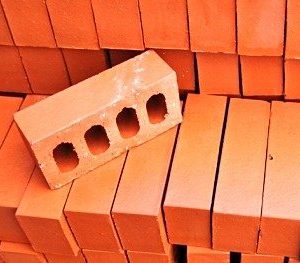
Types of Bricks: Bricks come in several varieties, including:
  • Facing Bricks: These are used for the visible exterior of buildings and come in different textures, colors, and finishes. They are designed to be aesthetically pleasing while offering durability and weather resistance.
  • Engineering Bricks: Known for their high strength and low water absorption, these bricks are ideal for structures that need to withstand heavy loads and damp conditions, such as bridges, sewers, and retaining walls.
  • Common Bricks: Less expensive and often used for internal or unseen parts of a structure. They do not offer the same aesthetic appeal as facing bricks.
Factors to Consider When Choosing Bricks:
  • Climate & Weather Conditions: In areas with extreme weather conditions, it’s important to choose bricks with high frost resistance.
  • Load-Bearing Requirements: Engineering bricks may be necessary for projects that require high-strength materials.
  • Aesthetics & Design: The color and texture of facing bricks can significantly influence the look of your building.
  • Cost: Common bricks are more affordable, but they may not offer the same durability or visual appeal as facing bricks.
Maintenance & Durability: While bricks are known for their durability, proper care ensures they last even longer. Cleaning bricks periodically, addressing cracks or weathering, and applying water-resistant coatings can prolong their lifespan. Conclusion: Choosing the right brick for your construction project depends on several factors including strength, appearance, and budget. By understanding the different types of bricks and their applications, you can make an informed decision that ensures both the structural integrity and aesthetic appeal of your building.

2. A Complete Guide to Insulation: Keeping Your Home Energy Efficient

Introduction: Insulation is a crucial element in building design and construction. It reduces heat transfer, keeping homes and buildings warmer in the winter and cooler in the summer. Proper insulation improves energy efficiency, leading to lower energy bills and a more comfortable living environment. This guide will explore the different types of insulation available, their applications, and best practices for installation. Types of Insulation Materials:
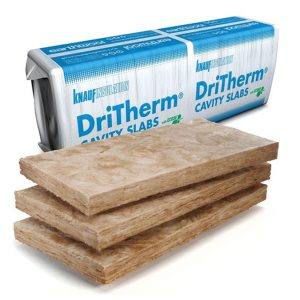
  • Fiberglass Insulation: One of the most common types, fiberglass insulation is affordable and easy to install. It’s best suited for attics, walls, and floors.
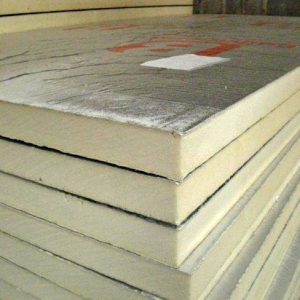
  • Foam Board Insulation: Made from polystyrene or polyurethane, foam board provides high thermal resistance with minimal thickness, making it ideal for walls, floors, and foundations.
  • Spray Foam Insulation: This option expands when applied, making it excellent for filling gaps and sealing leaks in walls, attics, and basements.
  • Loft Roll Insulation: Made of mineral wool or fiberglass, it is specifically designed for insulating lofts and can help prevent heat loss through the roof.
Why Insulation Matters:
  • Energy Efficiency: Proper insulation can reduce heating and cooling costs by up to 30%, making it an essential investment for long-term savings.
  • Comfort: Insulation helps maintain consistent indoor temperatures, preventing cold drafts or excessive heat in certain rooms.
  • Environmental Impact: By reducing energy usage, insulation contributes to lower carbon emissions, making it an environmentally friendly solution.
Best Practices for Insulation Installation:
  • Seal Air Leaks First: Before installing insulation, make sure to seal any air leaks around windows, doors, and ducts.
  • Choose the Right R-Value: Insulation is rated by its R-value, which measures its ability to resist heat flow. The higher the R-value, the better the insulation. Different areas of your home will require different R-values, depending on the climate and the type of space.
  • Consider Professional Installation: While DIY insulation can be effective, hiring a professional ensures optimal installation, especially for spray foam and other complex materials.
Conclusion: Investing in the right insulation materials for your home not only enhances energy efficiency but also improves comfort and reduces environmental impact. By understanding the different types of insulation and their best applications, you can make informed decisions for a sustainable and cost-effective solution.